05:16PM, Tuesday 10 March 2026

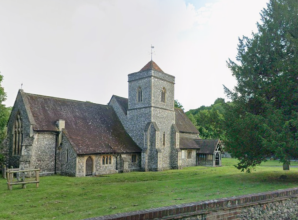
St Margaret's Church in Harpsden (image: Google)
Plans to build a new hall at a Grade II listed Church in Harpsden have been given the greenlight by South Oxfordshire District Council.
Demolition now awaits the 1970s vestry at St Margaret’s Church which, according to planning documents, had become ‘uncomfortable and overly crowded’.
The Church in Harpsden Way dates back to the 16th century, but most of the surviving structure was built in the mid-19th century from designs by Gothic revivalist architect Benjamin Ferrey.
A bid to replace the existing vestry, located to the rear of St Margaret’s and near its graveyard, was lodged in December.
The new hall would be a single-storey tall, with two meeting rooms and wheelchair accessible toilets.
A planning statement, which outlined the plan, was prepared by BlueStone planning on behalf of the Parochial Church Council of the Ecclesiastical Parish of St Margaret of Antioch.
St Margaret’s vestry is used by the Church’s choir, it hosts a Sunday School during morning services and offers a space for meetings after Sunday service.
The planning statement said: “The existing vestry can hold up to 16 people, but is uncomfortable and overly crowded.
“The weekly Sunday church service has an average of 50-65 people that regularly attend the service.”
“The vestry is often used four times every week by the church community for a variety of group meetings and events and is highly valued by St Margaret’s Church and the wider community.
“The proposal will provide a larger meeting room, larger servery, as well as remove the step for disabled access and provision of disabled toilets.”
St Margaret’s Church graveyard lies near the proposed development, and the plans said building work could affect burial sites.
“The churchyard is formally closed and has not received any new burials for over 100 years, but remains an historical hallowed burial ground which consists largely of mown grass with some remaining headstones and tombs,” the plans said.
“Additional fallen headstones are stored in small clusters, or leaning against the boundary wall in areas of the churchyard.
The plans added: “It is hoped that the majority, if not all, of the graves in this area will be deep enough to remain in-situ and not be disturbed by the works.
“It is assumed that SODC [South Oxfordshire District Council] will ask for an archaeological condition to be included with any permission granted for this proposal.”
Approval for the extension to the Grade II listed church was signed off by South Oxfordshire District Council’s head of planning Adrian Duffield.
Mr Duffield said: “The proposed development would have an acceptable impact upon the special architectural and historic interest of the listed building, the character and appearance of the area and the natural environment.”
Building work was approved subject to a string of conditions, which included that it begin within three year, and surveys of the impact on nesting birds and other wildlife be carried out.
Further conditions were also imposed regarding archaeological surveys needing to be completed before demolition and construction work begins.
Most read
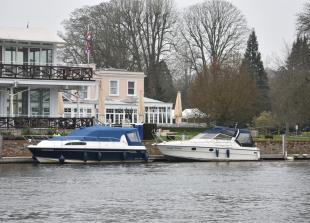
Police cordon on the scene at Phyllis Court Drive
Top Articles
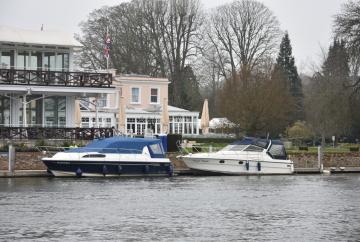
Police cordon on the scene at Phyllis Court Drive
A 44-year-old man from Henley was arrested and remains in police custody following the death of a woman, who has not been formally identified, in Phyllis Court Drive.

The woman who was discovered off Phyllis Court Drive on Friday morning has been identified as Jennifer Symonds.
Police cordon on the scene at Phyllis Court Drive on Friday
A man has been charged with one count of murder following the death of a 44-year-old woman.
© Copyright 2024 Baylis Community Media CIC All right reserved