10:30AM, Monday 06 November 2023

YOUNG onset dementia is often little known about in the wider community, yet 7.5 per cent of people living with dementia are under the age of 65.
Dementia occurs when there is degeneration in the brain which can lead to changes in your ability to think, reason, communicate and remember.
When people have symptoms before age 65, it is termed young onset dementia.
For people in their forties, fifties and early sixties they may have not just memory impairment but also difficulty with finding words, other language difficulties, personality change and changes in visual perception or clumsiness. These can sometimes be the first clues that something is wrong.
The most frequent question I am asked in memory clinics is what is the difference between dementia and Alzheimer’s disease?
Dementia is an umbrella term and Alzheimer’s is one of many subtypes of dementia. Alzheimer’s is possibly confused as being the same as dementia because it is the commonest form.
However, in younger people Alzheimer’s disease comprises just one third of all cases of dementia. There are other types, such as frontotemporal dementia, Lewy body dementia, vascular, rarer language-based dementias and posterior cortical atrophy, which can affect visual interpretation, to name just some.
Excessive alcohol use and smoking are referred to as risk factors which can increase your risk of getting dementia.
It is estimated that there are almost 71,000 people living with young onset dementia in the UK. In Oxfordshire that amounts to roughly 560 people.
However, less than half of these are known to GP practices. This is for a myriad of reasons.
Firstly, there is a lack of awareness that dementia can occur at younger ages and therefore some symptoms are put down to depression, stress or even hormonal imbalance. It can sometimes take many years before someone gets a correct diagnosis.
Secondly, there are more potential rarer causes of dementia, including genetic, in someone younger and initial symptoms may not be typical of those we normally associate with dementia, particularly in the early stages of their illness.
It can therefore take longer for people to have all the necessary investigations.
Thirdly, individuals themselves may not recognise or want to recognise that they are having difficulties, especially when they are otherwise feeling fit and well. They may not wish to acknowledge a problem because of fear of the future, concerns about the impact on their family or even a belief that there is nothing that can be done, so they may simply deny there is a problem and won’t go to their GP.
Having dementia at a younger age can bring about specific problems. There are often psychological, relationship and social implications for both the person affected and their partners which are inevitably different from those diagnosed with dementia at an older age.
Our ambitions, hopes and expectations are different at different stages of life and most people in their forties, fifties and early sixties expect to be active and still in employment.
Symptoms of dementia can lead to a loss of employment at a stage in life when an individual is likely to still have a mortgage and other financial commitments such as having children still at school or university.
When people first develop the symptoms of young onset dementia, they are likely to be in employment and to be physically active. As memory and communication difficulties emerge, this can make it more challenging to maintain performance at work. By the time of a diagnosis of young onset dementia, 80 per cent of people in the UK will have stopped working.
In many cases, relatives also have to give up work to support their partner and this leads to increased financial burden, emotional stress and social isolation. The ability to provide support and respite on a daily basis is often pivotal to keeping family supporters in work.
Dementia can also affect relationships, especially when children are younger. Dementia in a parent can lead to increased anxiety for children at a time when they need parental support, for example, when they are taking exams, exploring career options or just wanting to share aspects of their day. Children can undergo loss and insecurity and may become carers to their parent.
Studies have shown that the costs of illness in younger people with dementia are up to 16 times those of older people.
How to recognise early symptoms
Picking up early signs is not always easy and at times it can be based on your gut feeling that something is not right. There may be indicators such as the individual is struggling at work, seems more isolated, or there is just a general decline in their ability levels.
Memory loss may be an early sign and is likely to be the most noticeable change in young onset Alzheimer’s disease. The ability to recall things in the short term is an initial sign. People may forget appointments or future plans or start to repeat conversations, sometimes within a very short timeframe. If still in work, they may find it harder to keep up with tasks or simply forget to do things, leading to performance issues. Loss of short-term memory can cause anxiety and the individual can keep checking they have done something or will check with others (often repetitively) for reassurance.
There are rare forms of dementia which are more likely to come on in a person’s fifties or early sixties where the front and speech areas of the brain are more affected.
These are called frontotemporal dementias. Damage in the front of the brain can lead to change in personality, lack of motivation such that people lose their drive, or conversely can lead to disinhibition and rituals. If the speech areas are affected, key signs can be having difficulty in finding the right word, effortful hesitant speech, vague or over-detailed speech, or not getting to the point. If the back of the brain is affected in dementia, this can cause problems with how the brain “sees” things.
If you are worried about possible symptoms in either yourself or a relative or friend, it is important to get checked. Simple blood tests can rule out treatable causes of memory loss. Memory clinics can offer further assessment, such as referring you for brain scans and carrying out cognitive tests (questions designed to see how your brain processes information and check your memory). While currently there is no cure for dementia, there are medications that can help to manage the symptoms and slow deterioration for a while. These medications are most beneficial for Alzheimer’s disease and Lewy body dementia.
Not everyone can have medications but there is a number of other interventions and supports which can be helpful. Some memory clinics offer cognitive stimulation therapy and educational materials for family supporters. These will offer advice on financial benefits such as personal independence payments and lasting power of attorney.
Support for family supporters is very important. They can have an assessment of their own needs though a carers assessment with social services. There may be local supports such as a dementia care advisor or an Admiral Nurse.
For someone living with young onset dementia, the adjustment to loss of employment and role, reduced access to hobbies and interests can result in social isolation and psychological symptoms such as low mood, anxiety, boredom and agitation.
There is evidence that purposeful activity improves quality of life and reduces psychological symptoms in both those living with dementia and their families. The message, therefore, is do not put off getting an assessment if you are worried about having dementia for the sooner you get a diagnosis, the sooner you can access support.
Many positive outcomes have been demonstrated through the work of the charity Younger People With Dementia, of which I am a trustee. It runs weekday age-
relevant workshops such as a choir, gardening, art and sports such as katakanuing, cycling and racquet ket sports.
While the charity currently runs these activities in Berkshire, Surrey Heath and north-east Hampshire, it has a number of resources available on its website.
Shared reading has therapeutic benefits and the charity has also published reminiscence books. These books provide a collection of beautiful images and memory prompts, which are specially designed to aid reminiscence in younger people with dementia. Through pictures with relevant text and prompts which evoke age-appropriate memories, the books aid communication, get people back into reading and keep them feeling connected.
For more information. visit www.ypwd.info
Most read
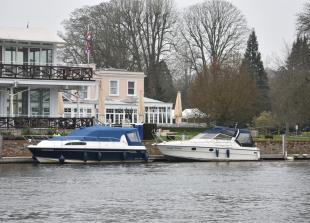
Police cordon on the scene at Phyllis Court Drive
Top Articles
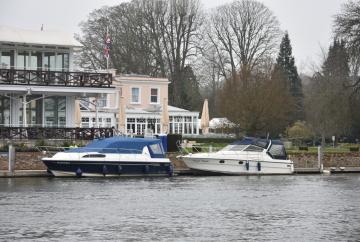
Police cordon on the scene at Phyllis Court Drive
A 44-year-old man from Henley was arrested and remains in police custody following the death of a woman, who has not been formally identified, in Phyllis Court Drive.
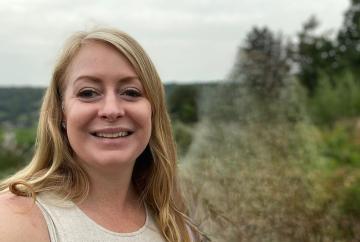
The woman who was discovered off Phyllis Court Drive on Friday morning has been identified as Jennifer Symonds.
Police cordon on the scene at Phyllis Court Drive on Friday
A man has been charged with one count of murder following the death of a 44-year-old woman.
© Copyright 2024 Baylis Community Media CIC All right reserved